
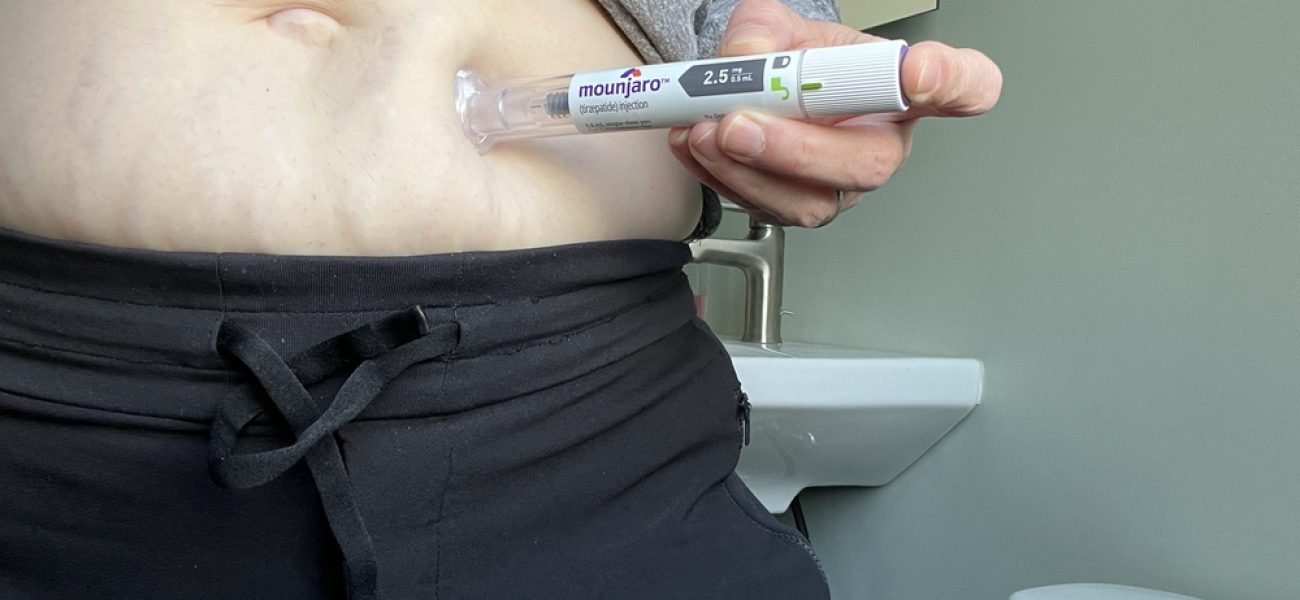
How Often Are GLP-1 Injections Administered for Optimal Results?
GLP-1 injections have revolutionized the treatment of obesity and type 2 diabetes, offering a powerful tool for weight management and improved metabolic health. But for patients starting this therapy, one of the most common questions is: How often should GLP-1 injections be administered for the best results? In this article, we’ll explain how GLP-1 receptor agonists work, the standard dosing schedules, how frequency affects outcomes, and what to expect when working with a provider to optimize treatment. You’ll also find tips for staying consistent and managing your routine, along with guidance on when adjustments may be necessary.
Understanding GLP-1 Injections and Their Role in Weight Loss
Glucagon-like peptide-1 (GLP-1) is a naturally occurring hormone that helps regulate appetite, insulin secretion, and blood sugar levels. GLP-1 receptor agonists are medications that mimic this hormone’s function, leading to reduced hunger, slower gastric emptying, and improved insulin response. These effects collectively support weight loss and better glycemic control.
Commonly prescribed GLP-1 medications include semaglutide (Wegovy, Ozempic) and tirzepatide (which also activates GIP receptors). These drugs have demonstrated significant clinical efficacy, especially when combined with lifestyle interventions.
Typical Frequency of GLP-1 Injections
The frequency of GLP-1 injections varies based on the specific medication, its formulation, and individual patient needs. However, most modern GLP-1 medications are administered once per week.
Weekly injection schedules are considered optimal for the following reasons:
- Stable drug levels: Weekly administration helps maintain consistent therapeutic effects.
- Convenience: Fewer injections mean better compliance and less disruption to daily routines.
- Improved tolerance: Spacing injections weekly gives the body time to adjust, helping minimize side effects such as nausea.
Examples of Weekly GLP-1 Medications
- Semaglutide (Ozempic, Wegovy): Administered once a week.
- Tirzepatide (Mounjaro): Also once weekly, despite its dual action on GLP-1 and GIP receptors.
- Dulaglutide (Trulicity): A once-weekly GLP-1 agonist for type 2 diabetes.
While some older GLP-1 agonists required daily dosing (such as liraglutide), the once-weekly formulations now dominate due to their ease of use and sustained effect.
Why Weekly Dosing Works Best
Weekly GLP-1 injections are designed with extended-release properties, meaning the medication stays in the system and maintains its effect for a full 7 days.
Key benefits of weekly dosing include:
- Sustained appetite suppression throughout the week
- Consistent improvements in insulin sensitivity and blood sugar regulation
- Lower incidence of side effects compared to more frequent dosing
- Increased adherence due to the simplicity of the schedule
Consistency is crucial—skipping doses or injecting sporadically can lead to diminished results and a return of cravings or poor glucose control.
Adjusting Frequency During the Titration Phase
Although the end goal is weekly injections, most patients begin with a lower dose and gradually increase over several weeks. This titration phase is designed to reduce the severity of gastrointestinal side effects.
What to expect during the titration period:
- Initial low dose: Patients typically start at a lower weekly dose.
- Gradual increase: Doses are slowly increased every 4 weeks or as tolerated.
- Ongoing evaluation: Providers monitor response and adjust based on symptoms, weight loss, and lab results.
Even during this titration period, injections remain on a once-weekly schedule unless otherwise directed. It’s not about how often you inject, but about how much is being administered as your body adapts.
What Happens if You Miss a GLP-1 Injection?
It’s common for new patients to occasionally miss a dose due to travel, illness, or forgetfulness. Fortunately, GLP-1 medications have a long half-life, which gives some flexibility.
If you miss a dose:
- Inject as soon as possible if it’s within 5 days of the missed dose.
- Skip the dose if more than 5 days have passed, and resume your regular schedule.
- Never double up or inject two doses to “make up” for a missed one.
Discuss with your provider if you frequently miss doses, as this may affect your treatment outcomes and require additional support or planning tools.
How Frequency Relates to Weight Loss and Blood Sugar Control
GLP-1 injections are not a “one and done” solution. Their effectiveness depends heavily on regular, sustained use.
Weekly injections support:
- Gradual, sustainable weight loss—most patients lose 1-2 pounds per week after titration.
- Improved insulin function and reduced blood glucose variability.
- Reduced cravings and better appetite control, helping patients maintain calorie deficits.
Studies show that long-term weekly use leads to better outcomes than short-term or inconsistent use. Patients who stop treatment often regain weight, especially if lifestyle changes haven’t been fully integrated.
Are There Ever Cases for More Frequent Dosing?
With the availability of extended-release medications, daily dosing is rarely recommended. However, certain circumstances may prompt a provider to recommend more frequent monitoring or reassessment:
- Patients on liraglutide (Saxenda) may still require daily injections due to the drug’s pharmacokinetics.
- Early in therapy, daily communication or journaling may be advised to help manage side effects or behavioral changes.
- Compounded medications may vary in duration, primarily when sourced from custom pharmacies. Patients using compounded GLP-1 drugs should confirm the expected frequency with their provider or pharmacist.
Unless specifically prescribed, most patients will be on a once-weekly injection schedule with medications like semaglutide or tirzepatide.
Best Practices to Stay on Track with GLP-1 Injections
Adherence is a major predictor of treatment success. Here are some strategies to help you maintain a consistent injection schedule:
Set a Weekly Reminder
- Use your smartphone, calendar, or app to schedule your weekly injection.
- Pair your dose with a regular event, such as brushing your teeth on Sunday evening.
Store Your Medication Properly
- Keep it refrigerated as instructed.
- If traveling, use a medical cooler to maintain proper temperature and avoid missed doses.
Record Your Progress
- Use a journal or app to log your weight, appetite, and side effects.
- Share these with your provider to evaluate the effectiveness of your dose and schedule.
Be Patient With the Process
- Results often become more noticeable after the first month of steady dosing.
- If you experience side effects, consult your provider instead of skipping doses.
When to Re-Evaluate Your GLP-1 Injection Plan
While the weekly schedule works for most, some patients may need to adjust dose strength or formulation over time.
Reasons to revisit your dosing plan include:
- Plateau in weight loss
- Persistent side effects
- Changes in lifestyle or health status
- Transitioning between medications or brands
Always make adjustments under the supervision of a medical professional. Changing frequency or dosage without supervision may lead to adverse effects or decreased efficacy.
Work With a Provider That Specializes in Medical Weight Loss
Managing GLP-1 injections successfully involves more than following a calendar—it requires expert guidance on titration, side-effect management, and lifestyle support. At Mind Matters Psychiatry & Weight Loss in Longwood, FL, we work one-on-one with patients to create personalized plans that optimize GLP-1 results while minimizing discomfort.
If you’re starting or already using GLP-1 therapy, we can help you understand the correct dosing schedule and ensure you’re getting the most out of every injection.
Are you considering GLP-1 injections, or do you need help optimizing your current regimen? The team at Mind Matters Psychiatry & Weight Loss in Longwood, Florida, specializes in evidence-based medical weight-loss programs, including GLP-1 therapies such as semaglutide and tirzepatide.